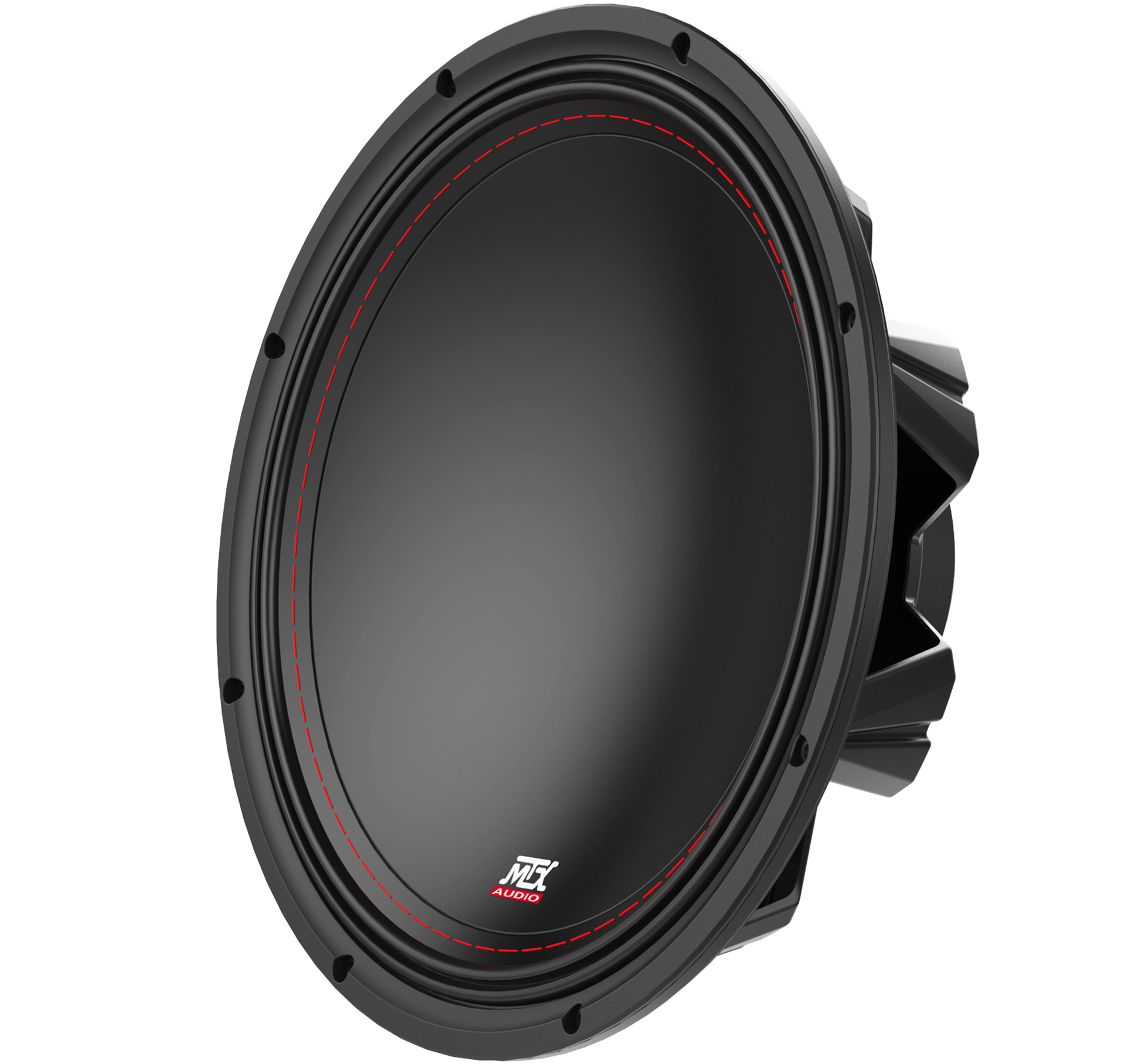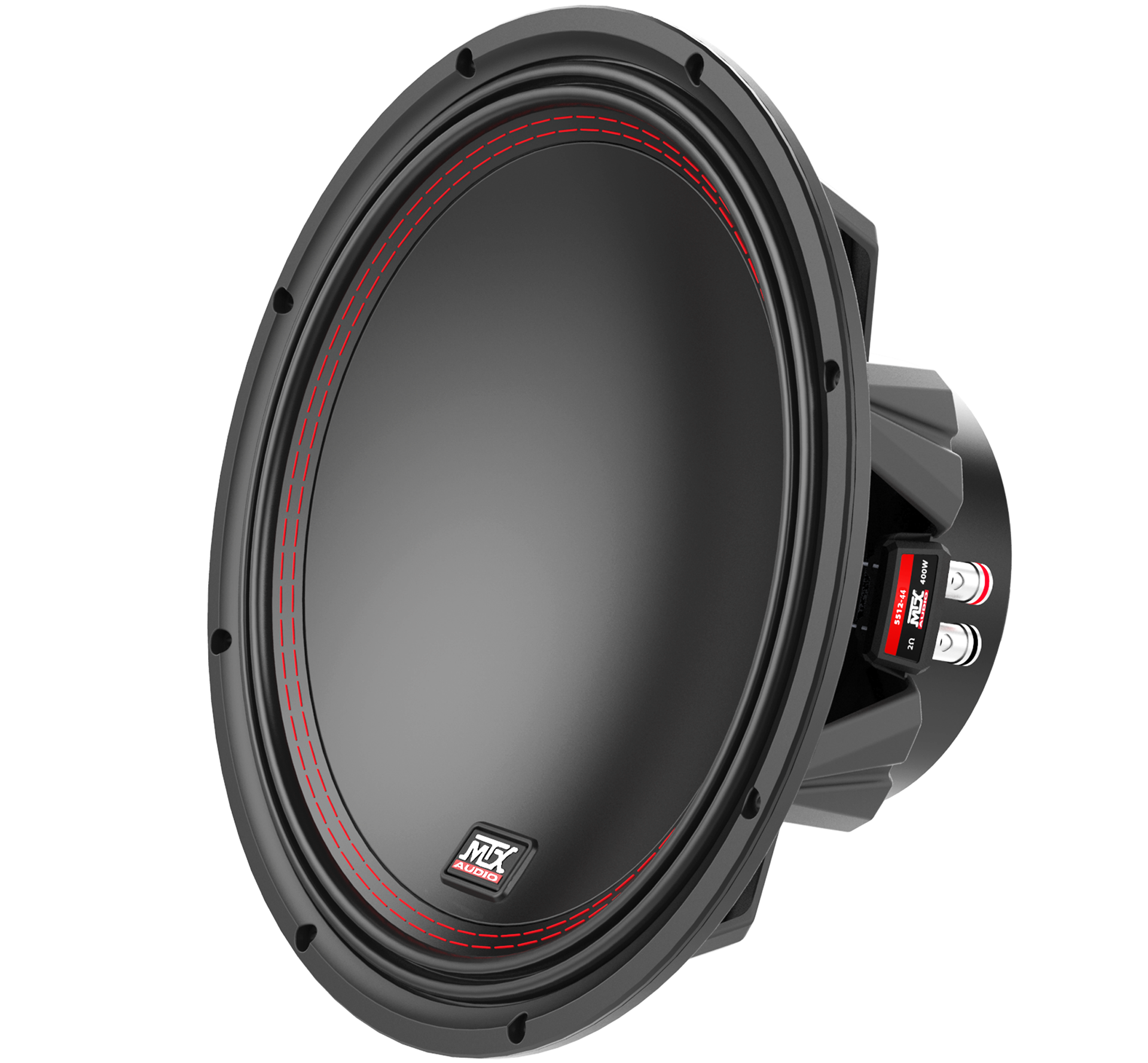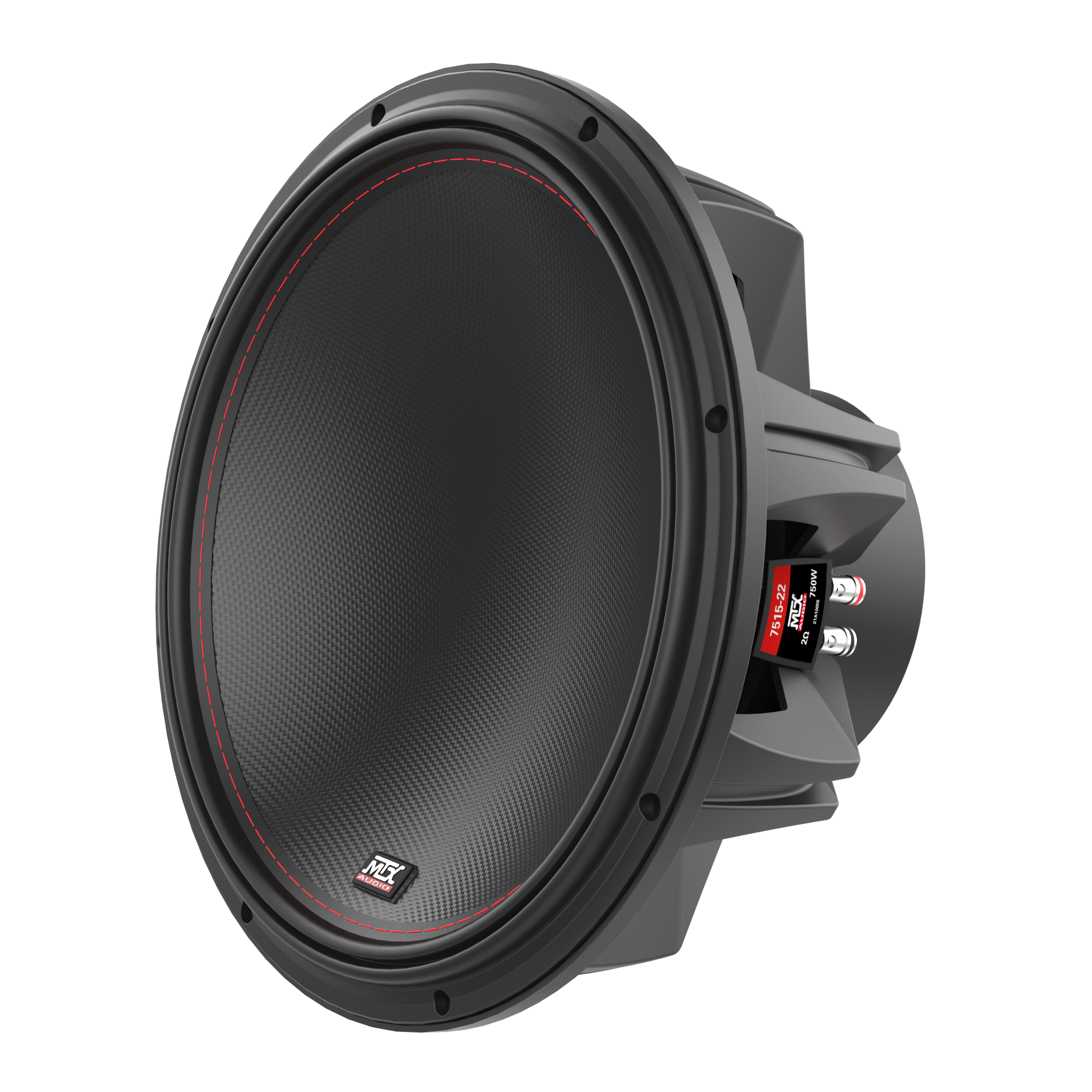
Most car audio enthusiasts start shopping for a new system once they've decided on the quantity and size of subwoofers they want. After all, for bass heads, subwoofers are the main part of the system that creates the window-rattling, body-panel-flexing bass they crave.
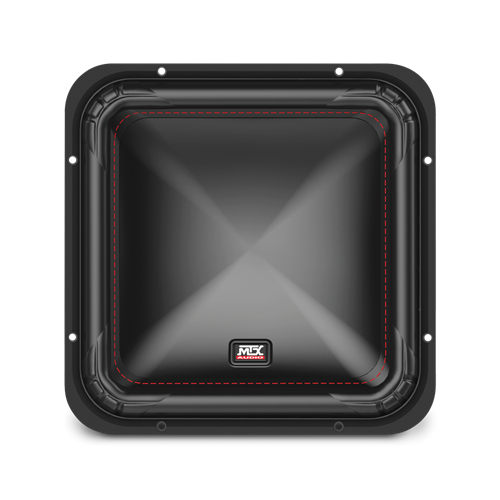
A common mistake when choosing subwoofers is the assumption that higher rated power handling means louder output. This is perfectly logical — but not always true.
What Makes a Sub Loud
To understand, you need to know what makes a subwoofer loud and some basic physics. This is not a science lesson with technical equations, just a plain explanation of SPL and subwoofer power handling.
First, some definitions:
Sound is created by vibration. The vibrating cone causes air molecules to move back and forth in waves. The more air molecules you move, the louder the sound. Inside a vehicle's cabin, moving more air creates more pressure. The more air you move, the louder it will sound.
What Is XMax?
An 18" woofer has a lot of surface area, but can it actually move a lot of air? This is where XMax comes in. If an 18" woofer can only move 1/16th of an inch in each direction, it is not going to displace much air regardless of its size. The cone area means nothing if the excursion is minimal.
Getting good XMax requires a quality suspension that can handle the movement while maintaining linearity. If a subwoofer does not move linearly, it creates distortion and can cause the voice coil to rub against the pole piece, destroying the driver. A strong magnetic field is also required, using AC current to push the cone forward and pull it backward. This magnetic field is created by the motor structure magnets and the electrical current through the voice coil.
The Bigger the Better?
Here is where most people make a logical assumption that is not necessarily true. Bigger magnets create a bigger magnetic field. More power through the voice coil means more XMax. More XMax means louder output. Right? Not necessarily.
You could build a subwoofer with enormous magnets and a voice coil capable of handling 10,000 watts. That part is straightforward. The hard part is designing a suspension that can keep that power under control. If the suspension is too stiff to control the power, it limits XMax. If it cannot control the power, the subwoofer goes non-linear, causing distortion and potentially burning the voice coil.
Subwoofer Efficiency
Huge magnets, aluminum cone assembly with twice the mass of Sub B. Takes more power to move the heavier cone. XMax may be limited as a result.
Smaller magnets, lighter cone assembly. Requires less power to move. XMax could match or exceed Sub A, moving as much or more air per watt.
Which subwoofer has the potential to be louder? This is a trick question. You cannot determine loudness from power handling alone. Subwoofer A can take more power but its heavier cone assembly requires more power to move it. Subwoofer B cannot take as much power but its lighter cone could achieve the same or better XMax, moving as much or more air. This is called efficiency.
Comparing subwoofers purely on power handling rating is not a fair comparison. There are too many other factors. And once you start the installation, more factors come into play: enclosure design, port tuning, and your vehicle's electrical system. A subwoofer with a 2,000W RMS rating needs a 2,000W amplifier to reach its potential. That amplifier will be expensive, and your electrical system needs to support it.
If you are shopping for a subwoofer, do not be fooled by peak power ratings. RMS power handling is the spec that matters, but even that does not tell the whole story. Efficiency, XMax, cone mass, and suspension quality all determine real-world output.